Spring Evaluations and Teacher Retention: What Principals Get Right (and Wrong)

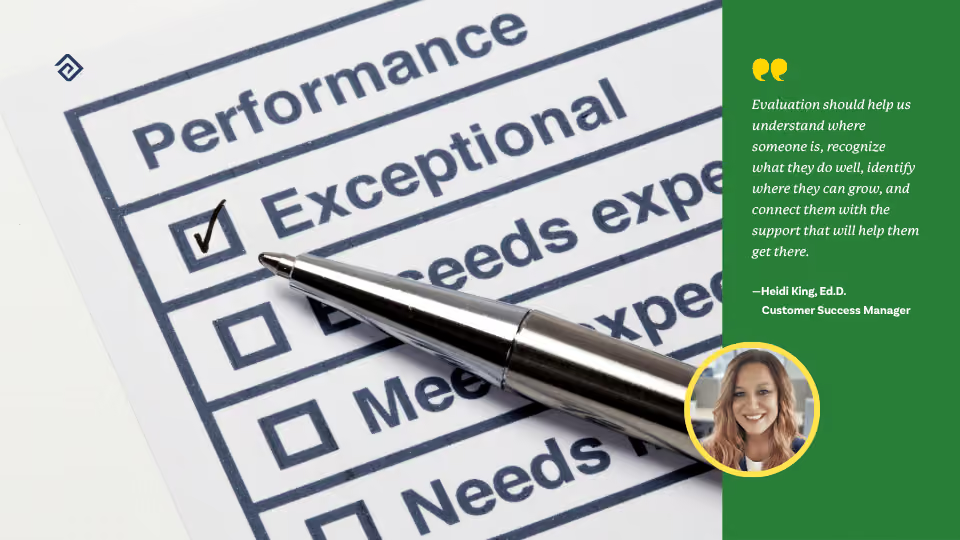
Spring evaluations play a critical role in teacher retention, but many school leaders underestimate just how much these final conversations influence whether educators return the following year.
In this Conversations with Educators webinar, Victoria Simon, Employee Evaluation and Performance Manager at Grand Rapids Public Schools, and Dr. Kelly Manlove, COO at Education Advanced and former principal, shared practical insights on how principals can use spring evaluations to build trust, reinforce growth, and retain strong teachers.
Key Takeaways from the Session
- Spring evaluations shape teacher retention decisions more than most leaders realize
- Teachers want to feel supported, respected, and valued, not just evaluated
- A common mistake is staying in correction mode instead of shifting to encouragement
- Strong schools treat spring evaluations as a time for reflection, clarity, and celebration
- Clear frameworks make feedback more consistent, actionable, and growth-focused
- Evaluations should feel collaborative; something done with teachers, not to them

How do spring evaluations impact teacher retention?
Simon: Spring evaluations are one of the most important moments for retention because teachers are asking themselves whether they feel supported and respected as professionals. When those two things come through clearly, teachers are much more likely to stay. It’s an opportunity to show that their work is seen, valued, and worth continuing.
Manlove: End-of-year conversations become the last emotional note a teacher carries into the summer. They’re reflecting on whether their work mattered and if they were supported in their growth. When teachers leave feeling like they were only rated instead of developed, that can directly impact their decision to return.
What do principals often get wrong during spring evaluations?
Simon: One of the biggest missteps is staying in coaching and correction mode too late into the year. In the spring, the focus should shift toward how teachers feel when they leave, because that feeling is what brings them back. When evaluations stay focused on compliance or what went wrong, it can unintentionally signal a lack of belief in the teacher.
Manlove: Spring is busy and chaotic, but that doesn’t remove the need for intentional conversations. If leaders rush or treat evaluations as transactional, they risk undoing the trust they’ve built all year. This is the moment where being deliberate matters most.
What do high-performing schools do differently during evaluation season?
Simon: High-performing schools shift from spring stress to spring celebration. People grow in the areas you highlight, so when leaders consistently recognize progress and strengths, that’s where continued growth happens. It helps teachers clearly see how far they’ve come.
Manlove: In strong schools, teachers leave for summer break knowing their work matters and their growth matters. The conversation reinforces that they’re part of something meaningful, and that their development is valued beyond just the evaluation itself.
How can principals give honest feedback without hurting morale?
Simon: Grounding feedback in evidence keeps the conversation productive. When leaders can point to what they saw and heard, it shifts the focus from opinion to growth. At the same time, the relationship matters. Without trust, even well-intended feedback won’t land effectively.
Manlove: Leaders can be candid without being discouraging when there’s an established culture of open, honest communication. When teachers feel safe, they’re more receptive, and feedback feels like support and coaching rather than criticism.

What evaluation framework can help guide better conversations?
Simon: A simple structure can make a big difference: learning was best when, learning could be better if, and next steps. This keeps the conversation balanced—starting with strengths, then moving into growth, and ending with clear, actionable direction.
Manlove: Consistency in how feedback is delivered builds clarity and trust. Teachers walk away understanding what they’re doing well and where to focus next, which makes the process feel fair and meaningful.
How does end-of-year feedback shape a teacher’s mindset going into summer?
Manlove: Teachers leave either feeling encouraged and inspired or anxious and unsure about where they stand. That mindset shapes how they approach the summer, and whether they recharge and prepare for growth or question their future.
Simon: The goal is for teachers to leave feeling that their principal believes in them. When that belief is clear, they return with energy, confidence, and a desire to continue growing.
What mindset shift should principals make right now?
Manlove: Evaluations should be something done with teachers, not to them. When the process is collaborative and focused on growth, it strengthens both the individual and the overall school culture.
Simon: Moving from a gotcha mindset to a growth mindset makes evaluations more meaningful. When teachers see value in the process, it becomes something that supports them rather than something they simply complete.
Final Thoughts
Spring evaluations don’t just close out the year; they shape whether your best teachers come back.
For district and campus leaders, the challenge isn’t just completing evaluations; it’s ensuring those conversations actually support retention, growth, and a stronger school culture.
That’s where having the right systems and structure in place can make all the difference. When evaluation processes are clear, consistent, and designed to support meaningful feedback, leaders are better equipped to have the kinds of conversations that keep great teachers engaged.
If you’re looking for a more streamlined way to manage evaluations while strengthening coaching and retention, Evaluation, powered by Education Advanced, is built to support exactly that work.
You can book a quick demo to see how your team can simplify the process and make every evaluation conversation count.

More Great Content
We know you'll love